Combatting Oxidative Stress | Revive Hydrogen
The Role of Molecular Hydrogen in Neutralizing Oxidative Stress
Oxidative stress sits at the nexus of virtually every chronic health challenge faced in modern life—from accelerated aging and impaired cognitive function to diminished athletic recovery and systemic inflammation. While the body's innate antioxidant systems are remarkable, they often become overwhelmed by environmental toxins, poor nutrition, chronic stress, and metabolic dysfunction. Enter molecular hydrogen (H2): a deceptively simple molecule with profound implications for cellular health. Unlike conventional antioxidants that function indiscriminately, molecular hydrogen operates as a selective antioxidant, targeting only the most destructive oxidative species while preserving beneficial signaling pathways essential for homeostatic balance. Understanding how H2 works at the molecular level—and how to achieve therapeutic tissue saturation—is critical for anyone serious about combatting oxidative stress and optimizing long-term wellness.
Understanding Oxidative Stress and Its Cellular Consequences
Oxidative stress occurs when reactive oxygen species (ROS) production exceeds the body's capacity to neutralize them. While ROS are often villainized, not all are harmful. Low concentrations of certain reactive species—particularly hydrogen peroxide (H2O2) and superoxide (O2•−)—serve vital roles in cellular signaling, immune function, and adaptive stress responses. These beneficial ROS help regulate gene expression, modulate inflammation, and trigger mitochondrial biogenesis.
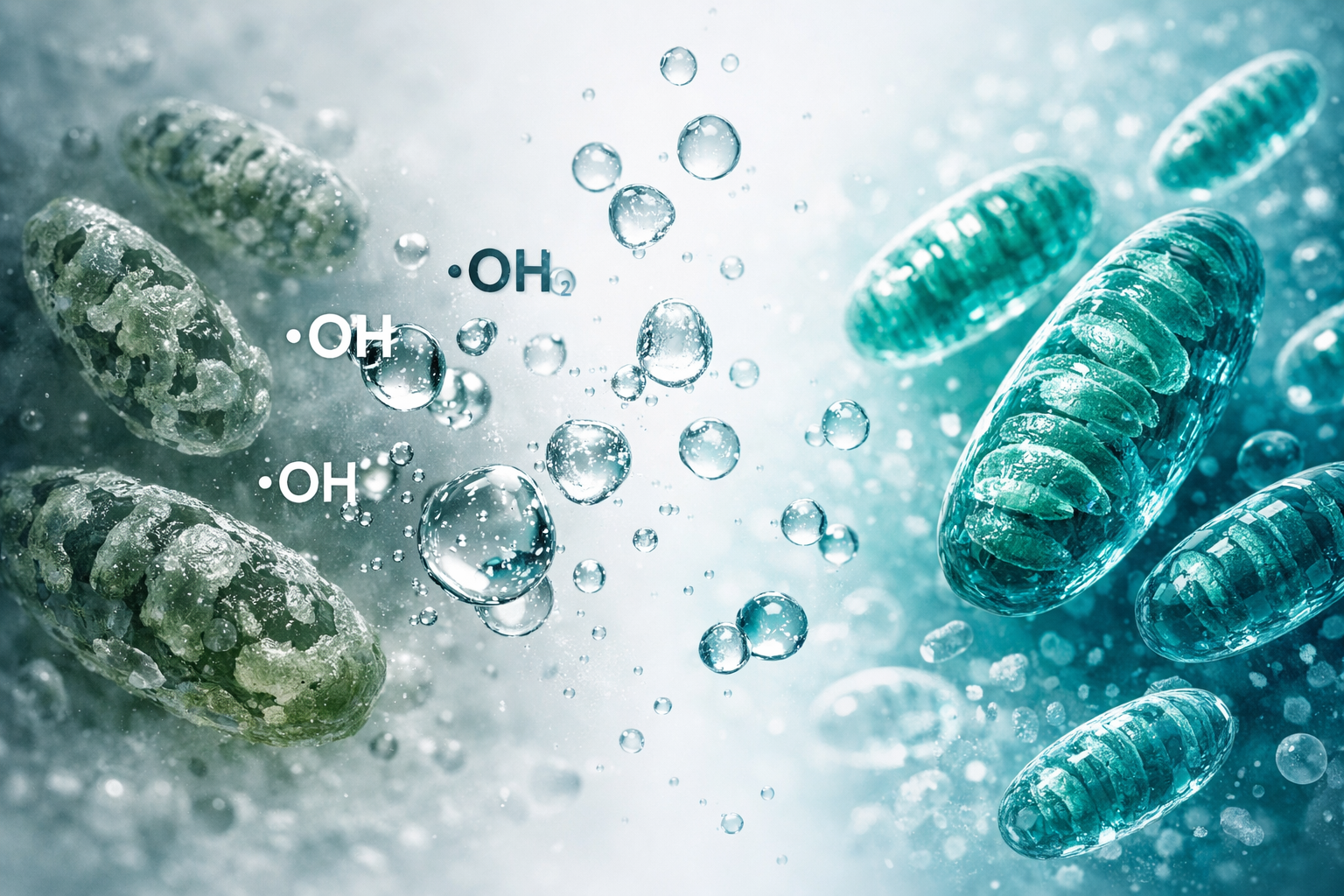
The problem emerges when highly toxic ROS accumulate unchecked. Chief among these destructive species are the hydroxyl radical (•OH) and peroxynitrite (ONOO−). The hydroxyl radical is the most reactive and damaging free radical in biological systems, indiscriminately attacking DNA, proteins, and lipid membranes with devastating efficiency. Peroxynitrite, formed when nitric oxide reacts with superoxide, similarly wreaks havoc on cellular architecture and mitochondrial function. These toxic radicals contribute to mitochondrial dysfunction, accelerated telomere shortening, chronic inflammation, and impaired cellular repair mechanisms—hallmarks of degenerative disease and premature aging.
Molecular Hydrogen as a Selective Antioxidant
What distinguishes molecular hydrogen from traditional antioxidants like vitamin C, vitamin E, or glutathione is its extraordinary selectivity. H2 does not neutralize all ROS indiscriminately. Instead, it specifically targets and reduces the hydroxyl radical and peroxynitrite—the most cytotoxic oxidative species—while leaving beneficial signaling molecules like hydrogen peroxide and superoxide intact. This selective neutralization preserves the vital redox signaling pathways that govern cellular adaptation, immune surveillance, and metabolic flexibility.
The mechanism is elegantly simple: molecular hydrogen, being the smallest and most bioavailable molecule in existence, rapidly diffuses across cell membranes and penetrates subcellular compartments, including mitochondria and the nucleus. Once inside, H2 reacts with hydroxyl radicals to form water (H2O), effectively converting a highly destructive oxidant into a harmless byproduct. This reaction occurs without generating secondary free radicals or disrupting the delicate redox balance required for optimal cellular function.
Beyond direct antioxidant activity, molecular hydrogen also upregulates the body's endogenous antioxidant systems. Research demonstrates that H2 activates the Nrf2 pathway, a master regulator of cellular defense that stimulates production of glutathione, superoxide dismutase, catalase, and other protective enzymes. This dual action—both scavenging toxic radicals and enhancing intrinsic defenses—positions molecular hydrogen as a uniquely powerful tool for combatting oxidative stress and supporting mitochondrial optimization.
The Superiority of Inhalation for Systemic Hydrogen Delivery
While hydrogen-enriched water has gained popularity as an accessible entry point, achieving therapeutic tissue saturation—particularly in deep tissues, the brain, and mitochondria—requires substantially higher concentrations than water ingestion can reliably provide. The solubility of hydrogen in water is limited, and gastrointestinal absorption introduces variability based on digestive status, pH, and individual physiology.
Inhalation of molecular hydrogen, by contrast, offers rapid, passive, and systemic delivery. When inhaled, H2 enters the bloodstream directly via the lungs, bypassing digestive limitations and achieving measurable concentrations throughout the body within minutes. This method enables sustained exposure at clinically relevant levels, facilitating deeper penetration into tissues where oxidative damage is most pronounced—including the central nervous system, cardiac tissue, and skeletal muscle.
Professional-grade hydrogen inhalation generators capable of producing high-output concentrations (typically 300–600 mL/min or higher) are essential for this application. These systems allow for flexible protocols, from brief daily sessions supporting general wellness to extended sessions targeting recovery, cognitive optimization, or intensive oxidative stress mitigation. The passive nature of inhalation—requiring no active consumption or metabolic processing—makes it an ideal modality for consistent, long-term use.
Evidence-Based Benefits of Molecular Hydrogen for Wellness and Longevity
The scientific literature on molecular hydrogen has expanded rapidly, with over 1,000 peer-reviewed studies and clinical trials exploring its effects across diverse health domains. While regulatory frameworks require us to position H2 therapy as a wellness tool rather than a medical intervention, the emerging evidence is compelling:
- Mitochondrial Function: H2 protects mitochondrial integrity, reduces oxidative damage to mitochondrial DNA, and supports efficient ATP production—essential for energy metabolism and cellular longevity.
- Neuroprotection: By crossing the blood-brain barrier and neutralizing hydroxyl radicals in neural tissue, molecular hydrogen supports cognitive function, mental clarity, and neurological resilience.
- Exercise Recovery: Athletes and active individuals report reduced muscle fatigue, faster recovery times, and diminished exercise-induced oxidative stress following H2 inhalation protocols.
- Inflammation Modulation: H2 has been shown to downregulate pro-inflammatory cytokines and support balanced immune responses without suppressing necessary immune activity.
- Skin and Tissue Health: By mitigating oxidative damage at the cellular level, molecular hydrogen supports healthy aging, tissue repair, and maintenance of skin elasticity and tone.
- Metabolic Balance: Emerging research suggests H2 may support healthy blood sugar regulation, lipid metabolism, and overall metabolic homeostasis.
These benefits stem not from pharmacological intervention, but from restoring oxidative balance and enabling the body's natural repair and regulatory systems to function optimally. Molecular hydrogen does not override physiology—it supports it.
Bring This Technology Home
For individuals committed to evidence-based wellness, longevity optimization, and proactive cellular health, integrating molecular hydrogen inhalation into daily routines represents a paradigm shift. The challenge lies in access: clinical-grade hydrogen therapy has historically been confined to medical facilities or elite wellness centers. Today, that barrier has been removed.
The Revive Hydrogen Generator delivers professional-grade hydrogen inhalation technology designed for both home and clinical environments. Engineered for reliability, safety, and high-output performance, this system enables you to achieve therapeutic tissue saturation with ease and consistency. Whether your focus is combatting oxidative stress, supporting cognitive vitality, enhancing recovery, or investing in long-term healthspan, the Revive Hydrogen Generator provides the precision and power required to make molecular hydrogen therapy a cornerstone of your wellness protocol. Discover the difference that true cellular optimization can make—and bring this transformative technology into your daily life.


Comments
Post a Comment