How Molecular Hydrogen Therapy Fights Chronic Inflammation
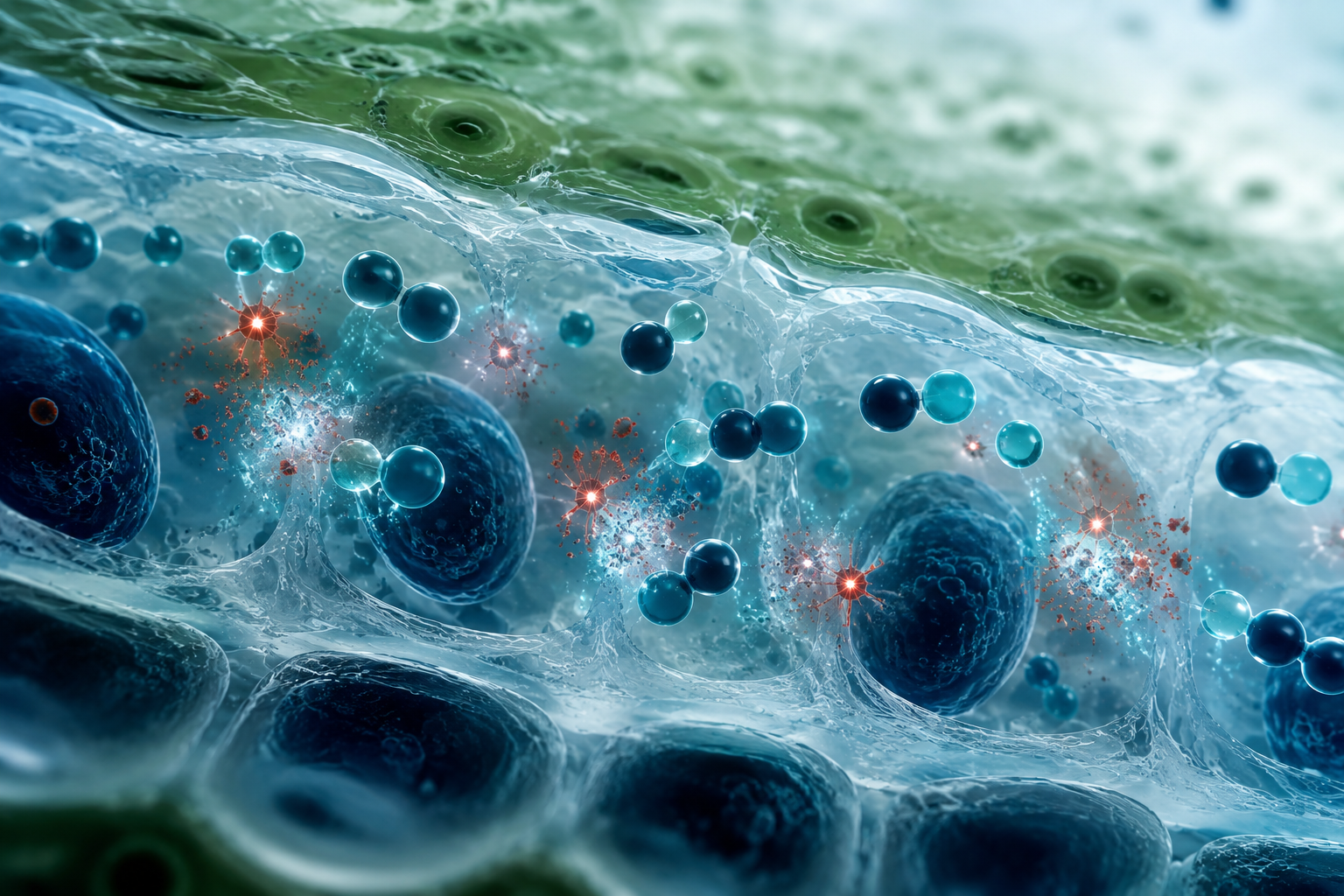
How Molecular Hydrogen Therapy Fights Chronic Inflammation: A Cellular-Level Approach to Wellness
Chronic inflammation has emerged as a foundational driver of degenerative aging, metabolic dysfunction, and diminished cellular vitality. While conventional approaches focus on symptom management, molecular hydrogen therapy addresses inflammation at its biochemical origin—neutralizing the oxidative stress that perpetuates inflammatory cascades while preserving the delicate signaling networks essential for homeostatic balance. This therapeutic modality operates through a sophisticated mechanism: H2 acts as a selective antioxidant, specifically targeting the most destructive reactive oxygen species while leaving beneficial oxidative signaling intact. The result is a scientifically grounded approach to systemic wellness, mitochondrial optimization, and accelerated recovery that extends far beyond superficial inflammation suppression.
The Biochemical Mechanism: Selective Antioxidant Action
The fundamental distinction between molecular hydrogen and conventional antioxidants lies in its remarkable selectivity. Most antioxidant compounds operate indiscriminately, neutralizing both harmful and beneficial reactive oxygen species—a strategy that can inadvertently disrupt essential cellular communication. Molecular hydrogen therapy employs an entirely different paradigm.
H2 molecules selectively neutralize only the most cytotoxic oxidative species: hydroxyl radicals (•OH) and peroxynitrite (ONOO-). These highly reactive molecules indiscriminately damage lipid membranes, proteins, and DNA, triggering inflammatory pathways and accelerating cellular senescence. By targeting exclusively these destructive species, molecular hydrogen eliminates oxidative damage without interfering with moderate reactive oxygen species like hydrogen peroxide, which serve critical roles in immune signaling, growth factor activation, and adaptive stress responses.
This selectivity represents a paradigm shift in oxidative stress mitigation. Rather than creating a reductive environment that suppresses all oxidative activity, H2 therapy restores oxidative balance—enabling cells to maintain their natural defense mechanisms while eliminating the catastrophic damage that drives chronic inflammation.
Mitochondrial Protection and Energy Optimization
The mitochondrial matrix represents ground zero for oxidative stress. As the primary site of cellular respiration, mitochondria constantly generate reactive oxygen species as metabolic byproducts. When hydroxyl radical production exceeds antioxidant capacity, mitochondrial membranes sustain damage, electron transport efficiency declines, and inflammatory signaling intensifies.
Molecular hydrogen's small molecular size and neutral charge enable it to diffuse freely across cellular and mitochondrial membranes—a capability most antioxidants lack. Once inside mitochondria, H2 neutralizes hydroxyl radicals at their source, protecting the respiratory chain complexes and preserving ATP synthesis efficiency. This mitochondrial optimization translates directly into reduced inflammatory cytokine production, enhanced cellular energy availability, and improved tissue-level recovery capacity.
Systemic Inflammation Reduction Through Multiple Pathways
Chronic inflammation operates through interconnected biochemical networks, making single-pathway interventions inherently limited. Molecular hydrogen therapy demonstrates multi-modal anti-inflammatory effects that address inflammation through several simultaneous mechanisms.
Beyond direct antioxidant activity, H2 modulates nuclear factor erythroid 2-related factor 2 (Nrf2), a master regulator of endogenous antioxidant production. Nrf2 activation upregulates genes encoding superoxide dismutase, catalase, and glutathione peroxidase—the body's primary antioxidant defense systems. This creates a sustained protective effect that extends well beyond the immediate presence of molecular hydrogen in tissues.
Additionally, molecular hydrogen therapy suppresses pro-inflammatory cytokines including interleukin-6 (IL-6), tumor necrosis factor-alpha (TNF-α), and interleukin-1 beta (IL-1β). These signaling molecules perpetuate inflammatory cascades throughout the body, contributing to systemic inflammation, tissue degradation, and metabolic dysfunction. By downregulating these inflammatory mediators, H2 therapy interrupts the self-perpetuating cycles that characterize chronic inflammatory conditions.
Clinical Evidence and Therapeutic Applications
The therapeutic potential of molecular hydrogen has been documented across more than 1,000 peer-reviewed publications, with research demonstrating applications in metabolic health, neurological function, athletic recovery, and cellular longevity. Studies have shown measurable reductions in inflammatory biomarkers, improvements in oxidative stress indices, and enhanced recovery metrics following H2 administration.
Particularly noteworthy is research demonstrating H2's ability to cross the blood-brain barrier, providing neuroprotective effects that conventional anti-inflammatory compounds cannot achieve. This unique capability positions molecular hydrogen therapy as a comprehensive tool for whole-body inflammation management, from peripheral tissues to the central nervous system.
Delivery Methods: Why Inhalation Achieves Superior Tissue Saturation
The therapeutic efficacy of molecular hydrogen depends entirely on achieving adequate tissue concentration. While hydrogen-enriched water provides measurable benefits, the quantity of H2 that can be dissolved in water remains fundamentally limited by solubility constraints. Even optimally saturated water delivers relatively modest hydrogen doses, requiring frequent consumption throughout the day to maintain therapeutic levels.
High-output hydrogen inhalation represents a fundamentally superior delivery method for systemic wellness and cellular recovery. When H2 is inhaled at concentrations of 2-4% mixed with ambient air, it rapidly diffuses across the alveolar membrane into circulation, achieving tissue saturation levels impossible to attain through oral consumption. This pulmonary delivery bypasses digestive limitations and provides passive, sustained hydrogen exposure—ideal for recovery protocols, daily wellness maintenance, and optimization of cellular function.
Professional-grade hydrogen inhalation generators produce consistent, calibrated H2 output sufficient for therapeutic applications. These systems enable users to achieve clinically relevant tissue concentrations through comfortable, passive inhalation sessions—typically 30-60 minutes—that integrate seamlessly into daily routines. The resulting systemic distribution ensures that molecular hydrogen reaches all tissues, including difficult-to-access areas like deep joints, neural tissue, and visceral organs.
Cellular Benefits of Molecular Hydrogen Therapy
The mechanisms described above translate into measurable improvements across multiple dimensions of cellular health and physiological function:
- Selective neutralization of hydroxyl radicals and peroxynitrite without disrupting beneficial reactive oxygen species required for cellular signaling
- Mitochondrial membrane protection preserving electron transport efficiency and optimizing ATP production capacity
- Activation of Nrf2 pathways upregulating endogenous antioxidant enzyme expression for sustained cellular defense
- Suppression of pro-inflammatory cytokines including IL-6, TNF-α, and IL-1β, interrupting chronic inflammatory cascades
- Blood-brain barrier penetration enabling neuroprotective effects unavailable with conventional anti-inflammatory compounds
- Improved exercise recovery through reduced lactate accumulation and accelerated inflammatory resolution
- Enhanced cellular longevity by protecting telomeres and reducing oxidative damage to DNA
- Restoration of homeostatic balance supporting the body's natural regulatory mechanisms rather than suppressing them
Bring This Technology Home: Professional-Grade Hydrogen Therapy
The convergence of molecular biology research and advanced hydrogen generation technology has made clinical-grade molecular hydrogen therapy accessible for home and professional use. Achieving the therapeutic benefits described throughout this article requires equipment capable of producing consistent, high-concentration hydrogen output—specifications that separate professional systems from consumer-grade alternatives.
Revive Hydrogen has engineered premium hydrogen inhalation generators that deliver research-grade performance for daily wellness protocols, athletic recovery, and cellular optimization. These systems provide the tissue saturation levels necessary for meaningful oxidative stress mitigation and inflammatory modulation, bringing the science of molecular hydrogen therapy from clinical research into practical application.
Whether you're seeking to address chronic inflammation, optimize mitochondrial function, enhance recovery capacity, or support long-term cellular health, professional hydrogen inhalation represents an evidence-based approach grounded in biochemical precision. Explore the complete range of therapeutic hydrogen systems and discover how this selective antioxidant technology can transform your approach to wellness at Revive Hydrogen.


Comments
Post a Comment