How Passive Hydrogen Treatments Support Deep Cellular Recovery
How Passive Hydrogen Treatments Support Deep Cellular Recovery
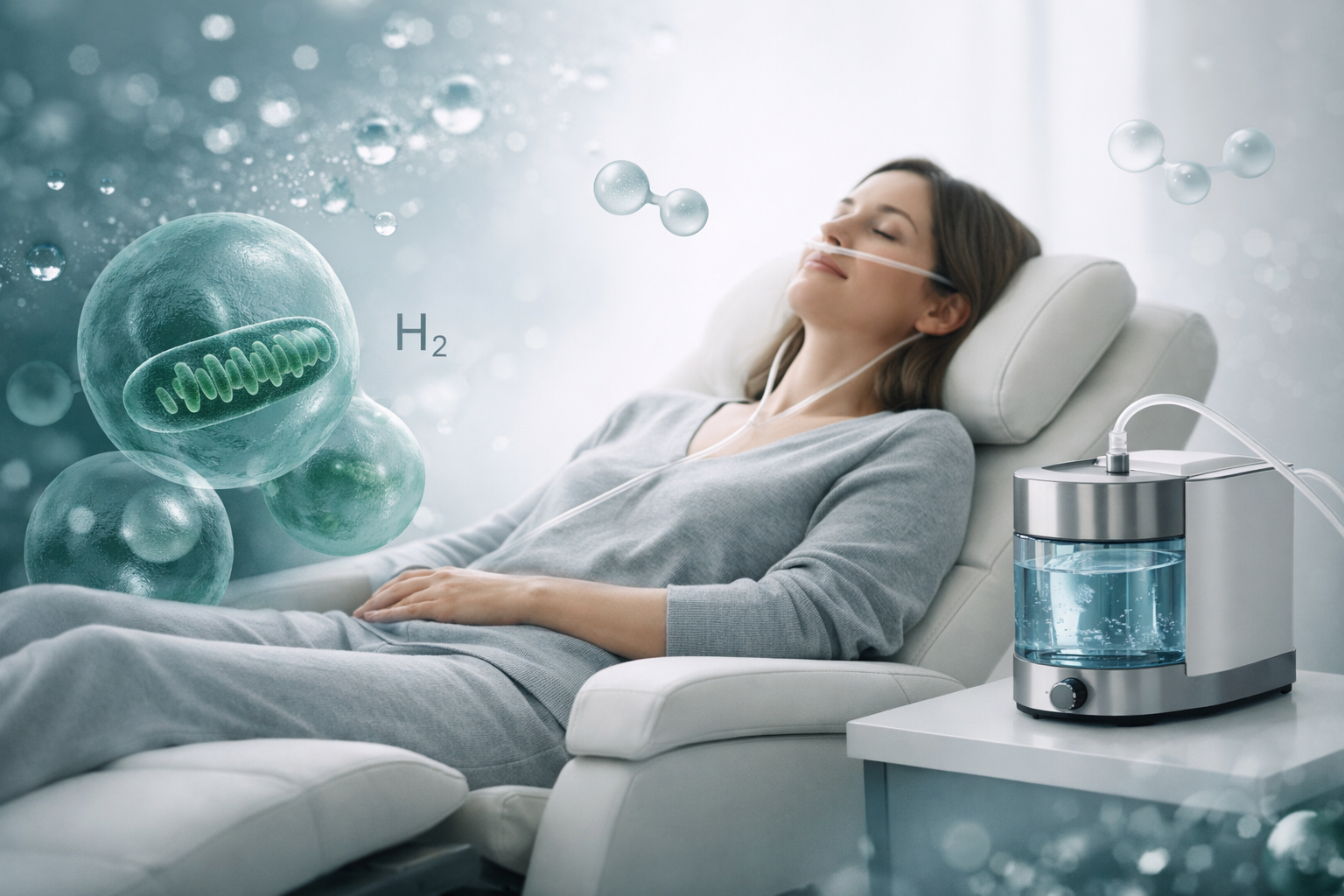
In an era where wellness optimization has become increasingly sophisticated, passive wellness treatments represent a paradigm shift in how we approach cellular health and recovery. Among these emerging modalities, molecular hydrogen (H₂) therapy stands out for its unique ability to penetrate cellular membranes and mitochondria, offering selective antioxidant protection without disrupting essential signaling pathways. Unlike active recovery protocols that demand physical exertion or conscious participation, hydrogen inhalation provides systemic cellular support through a completely passive process—you simply breathe while your body orchestrates deep restoration at the molecular level.
Understanding how this remarkable molecule works within our cellular architecture reveals why passive wellness treatments utilizing molecular hydrogen are gaining recognition among longevity researchers, integrative physicians, and performance optimization specialists worldwide.
The Selective Antioxidant Advantage: Precision at the Molecular Level
What distinguishes molecular hydrogen from conventional antioxidants is its remarkable selectivity. While broad-spectrum antioxidants indiscriminately neutralize all reactive oxygen species (ROS), H₂ functions with surgical precision, targeting only the most cytotoxic radicals while preserving beneficial oxidative signaling molecules essential for cellular communication and homeostatic balance.
Specifically, molecular hydrogen selectively neutralizes hydroxyl radicals (•OH) and peroxynitrite (ONOO⁻)—two of the most damaging reactive species known to cause oxidative stress, lipid peroxidation, DNA damage, and protein dysfunction. These highly reactive molecules are implicated in accelerated cellular aging, inflammatory cascades, and impaired mitochondrial function. By selectively scavenging these toxic radicals, H₂ mitigates oxidative damage without interfering with hydrogen peroxide (H₂O₂) and other ROS that serve critical roles in immune function, cellular signaling, and adaptive stress responses.
This selectivity represents a fundamental advancement in antioxidant therapy. Traditional antioxidant supplementation often creates a paradox: while reducing harmful oxidation, excessive antioxidant intake can suppress beneficial oxidative signaling, potentially interfering with exercise adaptations, immune responses, and cellular resilience mechanisms. Molecular hydrogen elegantly sidesteps this limitation, providing oxidative stress mitigation without compromising the sophisticated redox signaling networks that maintain cellular health.
Mechanisms of Cellular Protection
Beyond direct radical scavenging, molecular hydrogen activates endogenous antioxidant pathways through the Nrf2-Keap1 signaling system. This transcription factor upregulates production of the body's own protective enzymes—including superoxide dismutase, catalase, and glutathione peroxidase—creating a sustained, amplified defense against oxidative stress that extends well beyond the immediate presence of H₂ in tissues.
Additionally, research indicates that molecular hydrogen modulates inflammatory mediators, including pro-inflammatory cytokines such as TNF-α, IL-6, and IL-1β. This anti-inflammatory activity complements its antioxidant effects, addressing both oxidative and inflammatory components of cellular stress that drive chronic disease processes and impair recovery capacity.
Why Inhalation Creates Superior Systemic Bioavailability
While hydrogen-enriched water has gained popularity as an accessible introduction to H₂ therapy, achieving therapeutic tissue saturation necessary for deep cellular recovery requires the superior delivery method of inhalation through high-output generators.
The fundamental advantage lies in bioavailability and tissue penetration. When inhaled, molecular hydrogen rapidly diffuses across the alveolar-capillary membrane in the lungs, entering systemic circulation with exceptional efficiency. This respiratory delivery bypasses the digestive system entirely, avoiding degradation and achieving significantly higher blood and tissue concentrations than ingestion permits.
Molecular hydrogen's unique physicochemical properties—extremely small molecular size, electrical neutrality, and lipophilic characteristics—allow it to penetrate cellular membranes, cross the blood-brain barrier, and access subcellular compartments including mitochondria and the nucleus. This unrestricted tissue distribution enables H₂ to reach sites of oxidative damage throughout the body, including the central nervous system, deep organ tissues, and cellular organelles where conventional antioxidants cannot effectively penetrate.
Passive Delivery, Active Results
Professional-grade hydrogen inhalation systems deliver controlled, high-concentration H₂ (typically 2-4% concentration in breathing gas) continuously during treatment sessions. This passive administration requires no effort from the recipient—no swallowing large volumes of liquid, no dietary restrictions, no physical activity. Users simply relax, read, work, meditate, or even sleep while receiving systemic hydrogen therapy.
This passive nature makes hydrogen inhalation uniquely suitable for individuals in recovery states, those with compromised digestive function, elderly populations, and anyone seeking cellular optimization without additional physiological demand. The treatment supports the body's inherent healing processes rather than imposing additional metabolic stress.
Cellular Recovery Benefits: From Mitochondria to Whole-System Optimization
The cellular benefits of consistent molecular hydrogen exposure extend across multiple physiological systems, supporting comprehensive recovery and optimization:
- Mitochondrial optimization: H₂ protects mitochondrial membranes from oxidative damage, supporting efficient ATP production and reducing the electron leak that generates damaging superoxide radicals during cellular respiration.
- Enhanced cellular energy production: By preserving mitochondrial integrity and function, hydrogen therapy supports sustained energy metabolism, reducing fatigue and enhancing recovery capacity.
- Reduced inflammatory signaling: Modulation of pro-inflammatory cytokines and NFκB pathway activity helps resolve chronic low-grade inflammation that impairs healing and accelerates degenerative processes.
- Neuroprotective effects: H₂'s ability to cross the blood-brain barrier provides oxidative protection to neural tissues, supporting cognitive function, mood regulation, and neurological recovery.
- Improved redox homeostasis: Rather than simply adding exogenous antioxidants, molecular hydrogen helps restore the dynamic balance between oxidative and reductive processes essential for optimal cellular function.
- Enhanced autophagy and cellular cleanup: Emerging evidence suggests H₂ may support autophagy—the cellular process of removing damaged components and recycling molecular building blocks—contributing to cellular rejuvenation and longevity pathways.
The Professional-Grade Requirement
Achieving these therapeutic benefits requires consistent delivery of sufficient hydrogen concentrations over appropriate durations. Portable hydrogen water bottles and low-output devices, while convenient, typically cannot generate the tissue saturation necessary for comprehensive cellular recovery benefits documented in research protocols.
Professional-grade hydrogen inhalation generators utilize advanced electrolysis technology, producing high-purity H₂ at clinically relevant flow rates. These systems employ sophisticated safety features, precise concentration control, and durable construction suitable for daily use in both clinical and home wellness environments.
The investment in quality equipment reflects a commitment to evidence-based wellness optimization. Just as therapeutic outcomes from red light therapy require specific wavelengths and sufficient energy density, realizing molecular hydrogen's full potential demands proper delivery technology capable of achieving therapeutic dosing parameters established in peer-reviewed research.
Bring This Technology Home
For those seeking to integrate professional-grade passive wellness treatments into their daily recovery and optimization protocols, Revive Hydrogen offers cutting-edge hydrogen inhalation systems designed for both clinical practice and sophisticated home use.
These advanced generators deliver high-purity molecular hydrogen at therapeutic concentrations, providing the tissue saturation necessary for meaningful cellular recovery benefits. With intuitive operation, robust safety engineering, and the durability required for consistent long-term use, Revive Hydrogen systems represent the gold standard in accessible H₂ therapy technology.
Whether you're an integrative practitioner incorporating hydrogen therapy into patient protocols, an athlete optimizing recovery and performance, or a longevity-focused individual committed to evidence-based cellular health strategies, professional-grade hydrogen inhalation offers a passive, sustainable approach to deep cellular restoration. Explore how Revive Hydrogen can elevate your wellness practice and support your journey toward optimal cellular function and systemic vitality.


Comments
Post a Comment