Hydrogen Inhalation Generators: A Beginner's Guide to Cellular Health
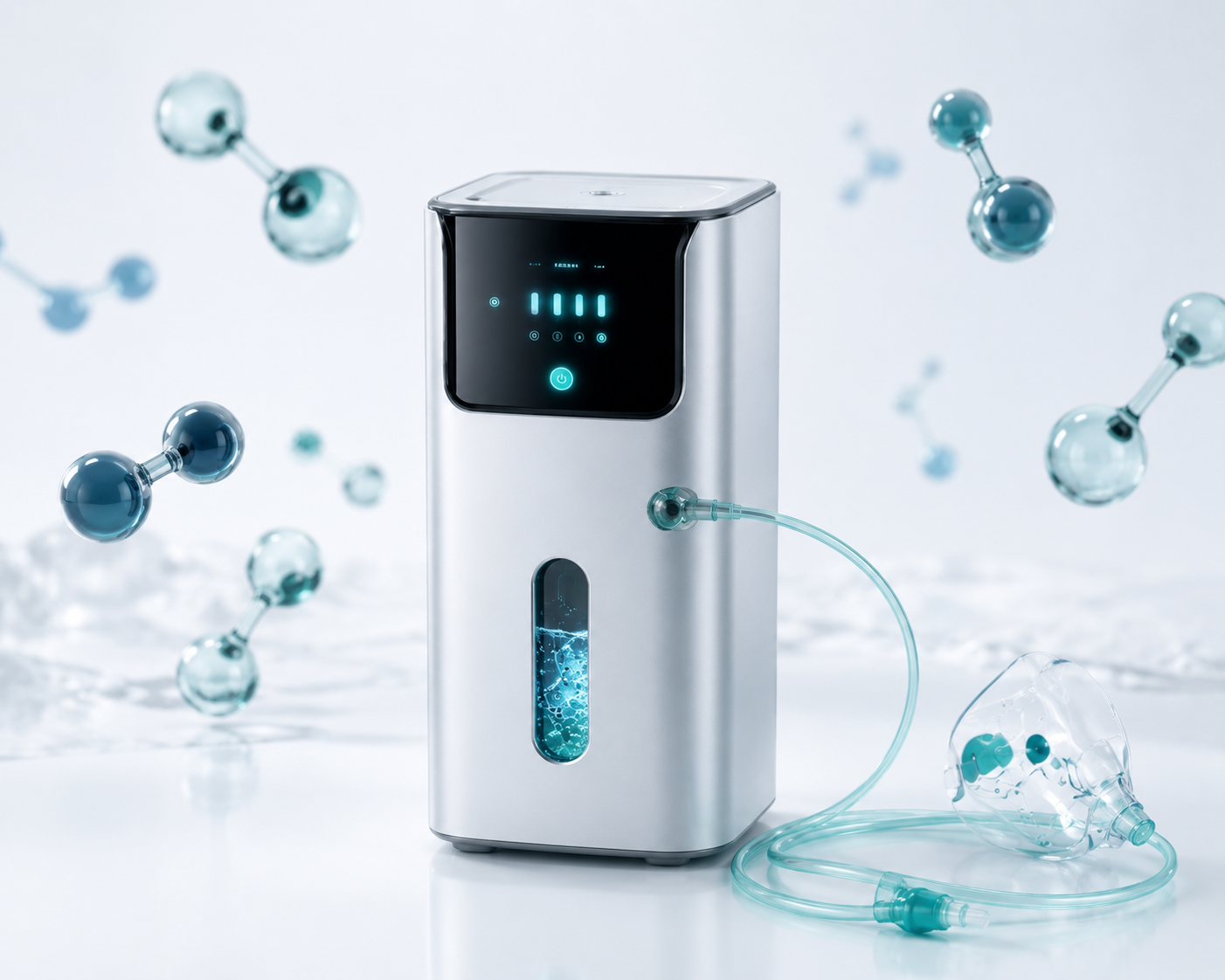
Introduction: Why Molecular Hydrogen Is Reshaping Cellular Health
In the evolving landscape of evidence-based wellness technologies, the hydrogen inhalation generator has emerged as a powerful tool for supporting cellular resilience, mitochondrial optimization, and systemic recovery. Unlike conventional antioxidant supplementation, molecular hydrogen (H₂) operates through a uniquely selective biochemical mechanism—neutralizing the most destructive reactive oxygen species while preserving the beneficial signaling molecules your cells require for homeostatic balance. As research continues to validate H₂ therapy's role in oxidative stress mitigation, peak performers, longevity enthusiasts, and integrative health practitioners are turning to professional-grade inhalation systems to achieve therapeutic tissue saturation that water consumption alone cannot deliver.
This comprehensive guide will walk you through the science of hydrogen inhalation, the cellular mechanisms that make it exceptional, and how to evaluate generators for home or clinical use. Whether you're exploring preventive wellness strategies or seeking advanced recovery protocols, understanding the fundamentals of H₂ delivery systems is your first step toward harnessing this molecular tool for long-term vitality.
The Biochemistry of Molecular Hydrogen: A Selective Antioxidant
Molecular hydrogen's therapeutic potential stems from its remarkable selectivity at the cellular level. Unlike broad-spectrum antioxidants that indiscriminately neutralize all reactive oxygen species, H₂ functions as a selective antioxidant, targeting only the most cytotoxic free radicals while leaving beneficial signaling molecules untouched.
Precision Targeting of Destructive Radicals
When you inhale hydrogen gas, the small, electrically neutral H₂ molecules rapidly diffuse across cell membranes, mitochondrial barriers, and even the blood-brain barrier. Once inside cells, molecular hydrogen selectively reacts with hydroxyl radicals (•OH) and peroxynitrite (ONOO⁻)—two of the most aggressive oxidative species known to damage DNA, proteins, and lipid membranes. This targeted neutralization occurs through a mild reduction reaction that converts these toxic radicals into harmless water, effectively disarming cellular threats without disrupting normal physiological function.
Preserving Beneficial Signaling Pathways
What distinguishes H₂ from conventional antioxidants is equally important as what it eliminates. Moderate levels of reactive oxygen species like hydrogen peroxide (H₂O₂) and superoxide (O₂⁻) serve critical roles in cellular signaling, immune response, and adaptive stress responses. Molecular hydrogen's selectivity means it does not interfere with these essential oxidative signals, allowing your cells to maintain the delicate balance between protective defense and necessary biological communication. This precision makes hydrogen therapy a sophisticated tool for supporting cellular health without the risk of over-suppressing beneficial oxidative processes.
Why Inhalation? Understanding Delivery Methods and Therapeutic Saturation
While hydrogen-enriched water has gained popularity as an accessible entry point to H₂ therapy, achieving clinically meaningful tissue concentrations requires understanding the pharmacokinetics of different delivery methods. Professional-grade hydrogen inhalation generators represent the most effective approach for systemic cellular support.
Bioavailability and Tissue Penetration
When consumed through hydrogen water, molecular hydrogen enters the bloodstream via the gastrointestinal tract, but concentration levels are limited by water's saturation capacity (typically 1.6 ppm at standard conditions) and the volume of liquid one can reasonably consume. In contrast, inhalation delivers H₂ directly through the pulmonary system, where the extensive alveolar surface area enables rapid gas exchange and immediate systemic distribution. This direct pathway allows for substantially higher tissue concentrations across all organ systems, including the brain, heart, liver, and skeletal muscle.
Passive Systemic Delivery for Recovery and Optimization
Hydrogen inhalation offers a passive, non-invasive method for maintaining elevated H₂ levels throughout extended sessions—typically 30 to 120 minutes. This sustained exposure is particularly valuable for supporting recovery protocols, addressing accumulated oxidative burden, and optimizing mitochondrial efficiency during periods of metabolic stress or aging. High-output generators producing 300-600 mL of hydrogen per minute enable therapeutic dosing that research protocols have consistently utilized, making professional-grade equipment essential for practitioners and individuals committed to evidence-based cellular health optimization.
Key Cellular Benefits: What Research Reveals About H₂ Therapy
Hundreds of peer-reviewed studies have explored molecular hydrogen's effects across diverse physiological systems. While individual responses vary and H₂ therapy should not be positioned as a cure for disease, the research consistently points to several promising areas of cellular support:
- Mitochondrial Efficiency: H₂ appears to support optimal electron transport chain function, reducing excessive reactive oxygen species production at the source while maintaining healthy ATP generation.
- Inflammatory Modulation: Molecular hydrogen has demonstrated the ability to downregulate pro-inflammatory cytokines and signaling pathways, supporting a balanced inflammatory response without immunosuppression.
- Neuroprotection: Due to its ability to cross the blood-brain barrier, H₂ shows particular promise in supporting cognitive function and protecting neural tissue from oxidative damage.
- Metabolic Health: Research indicates hydrogen therapy may support healthy glucose metabolism, lipid profiles, and metabolic flexibility—key markers of longevity and disease prevention.
- Exercise Recovery: Athletes and active individuals report enhanced recovery markers, with studies showing reduced lactate accumulation and faster restoration of performance metrics following intense training.
- Cellular Stress Resistance: H₂ appears to activate beneficial gene expression pathways (including Nrf2 antioxidant response elements) that enhance cells' intrinsic stress-defense mechanisms.
These findings position molecular hydrogen not as a singular intervention but as a foundational component of comprehensive wellness strategies aimed at preserving cellular integrity, extending healthspan, and optimizing physiological resilience across the lifespan.
Evaluating Hydrogen Inhalation Generators: What to Look For
Not all hydrogen generators are created equal. As interest in H₂ therapy grows, the market has seen an influx of consumer devices with widely varying quality, output capacity, and safety features. When evaluating systems for home or professional use, several critical specifications warrant careful consideration.
Output Volume and Purity
Therapeutic protocols in research settings typically employ hydrogen concentrations of 2-4% when mixed with ambient air, delivered through generators producing 300 mL/min or higher of pure hydrogen gas. Lower-output devices may require inconveniently long sessions or deliver subtherapeutic doses. Additionally, high-purity hydrogen production is essential—premium electrolysis systems incorporate advanced membrane technology to ensure contamination-free gas output without trace impurities that could compromise safety or efficacy.
Safety Certifications and Engineering
Medical-grade hydrogen generators should incorporate multiple safety mechanisms, including overpressure protection, automatic shutdown features, and sealed electrolysis chambers. Certifications from recognized testing bodies provide third-party validation of both performance claims and safety standards. Professional systems designed for clinical or serious home use distinguish themselves through rigorous engineering, durable construction, and comprehensive quality control processes.
User Experience and Clinical Integration
For sustained use, generator design matters profoundly. Intuitive controls, clear output indicators, comfortable delivery accessories (such as nasal cannulas), and quiet operation transform hydrogen therapy from a clinical procedure into an accessible daily practice. Systems that integrate seamlessly into wellness routines—whether during meditation, work, or rest—maximize compliance and long-term benefit realization.
Bringing Professional-Grade Hydrogen Therapy Home
The transition from clinical research to accessible home use represents one of the most exciting developments in molecular hydrogen therapy. What once required specialized medical facilities is now available through sophisticated consumer systems that maintain research-grade specifications while offering the convenience of personal use.
For individuals serious about cellular health optimization, investing in a high-performance hydrogen inhalation generator provides a foundation for daily oxidative stress mitigation, recovery enhancement, and longevity support. The key is selecting equipment that mirrors the output characteristics and purity standards used in published research—ensuring that your home protocol delivers the same therapeutic potential documented in scientific literature.
Next Steps: Experience Research-Grade Hydrogen Therapy
If you're ready to move beyond supplemental approaches and embrace a technology-driven solution for cellular optimization, professional hydrogen inhalation equipment offers an evidence-based pathway. The Revive Hydrogen Generator represents the convergence of clinical-grade engineering, user-centered design, and uncompromising performance standards—delivering high-output, ultra-pure molecular hydrogen for serious practitioners and wellness enthusiasts alike.
Designed for both home and clinical environments, Revive systems incorporate advanced PEM electrolysis technology, medical-grade materials, and intuitive operation that makes daily hydrogen therapy effortless. Whether you're an integrative health professional, competitive athlete, or longevity-focused individual, having access to therapeutic-grade H₂ delivery transforms abstract cellular biology into tangible daily practice.
Explore the full specifications, research backing, and user experiences at Revive Hydrogen and discover how professional hydrogen inhalation can become the cornerstone of your cellular health strategy.


Comments
Post a Comment