The Science of High-Flow Hydrogen Inhalation for Athletic Recovery
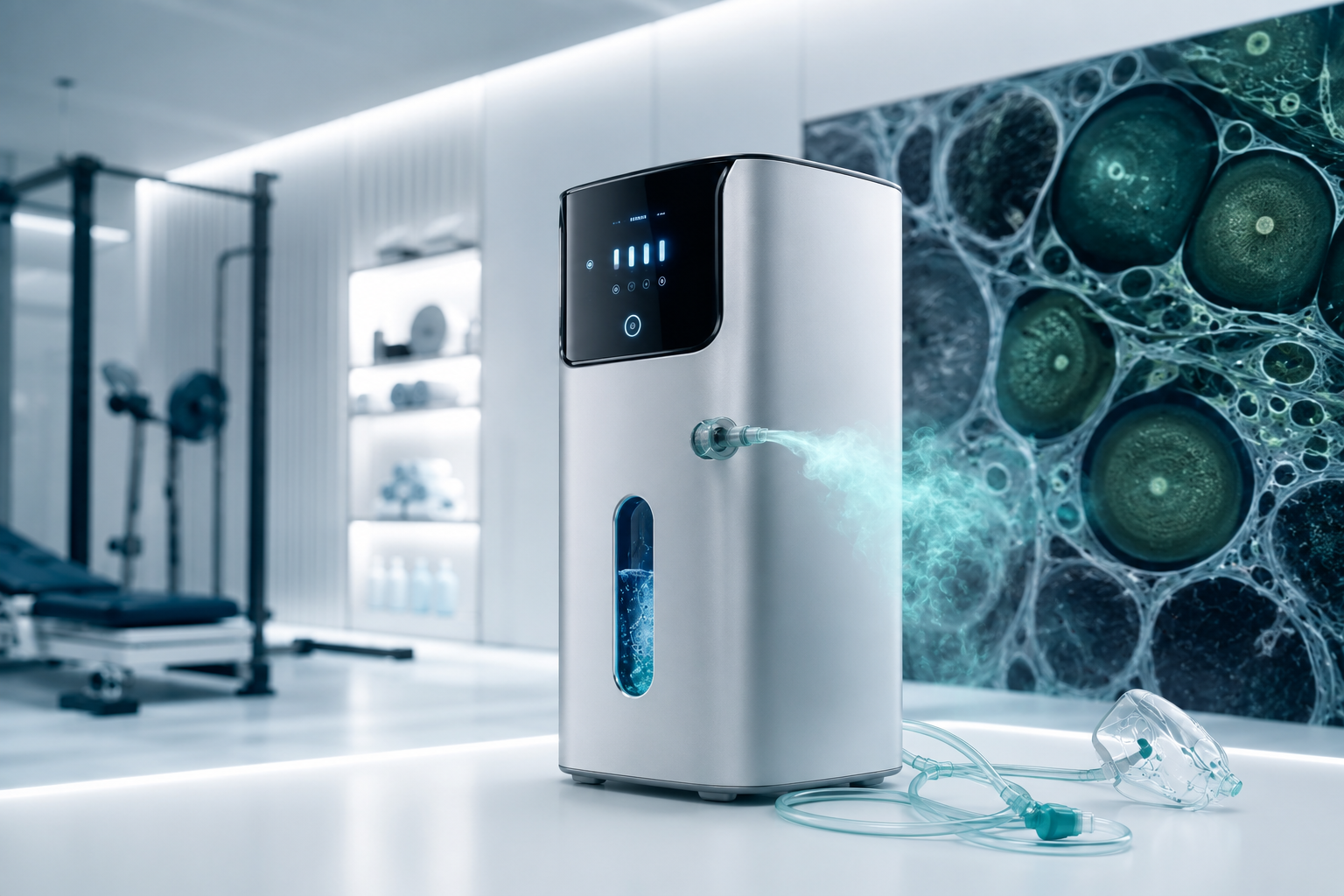
The Science of High-Flow Hydrogen Inhalation for Athletic Recovery
In the relentless pursuit of optimal performance and accelerated recovery, elite athletes and wellness professionals are turning to an evidence-based modality that operates at the most fundamental level of human physiology: molecular hydrogen (H₂) inhalation. Unlike conventional recovery strategies that address symptoms, hydrogen inhalation for wellness targets the root mechanisms of exercise-induced cellular stress—specifically, the accumulation of harmful reactive oxygen and nitrogen species that impair mitochondrial function, delay tissue repair, and compromise adaptive recovery. This sophisticated approach to oxidative stress mitigation represents a paradigm shift in how we understand and support the body's natural recuperative processes.
Understanding Molecular Hydrogen as a Selective Antioxidant
The fundamental distinction that positions molecular hydrogen as a superior wellness tool lies in its remarkable selectivity as an antioxidant agent. During intense physical exertion, cellular respiration generates a cascade of reactive oxygen species (ROS), not all of which are detrimental. In fact, certain ROS—including hydrogen peroxide (H₂O₂) and superoxide at physiological concentrations—serve essential signaling functions that trigger beneficial adaptive responses, including mitochondrial biogenesis and enhanced antioxidant enzyme expression.
Molecular hydrogen demonstrates extraordinary biochemical intelligence by selectively neutralizing only the most cytotoxic oxidative species: hydroxyl radicals (•OH) and peroxynitrite (ONOO⁻). These highly reactive molecules cause indiscriminate damage to cellular membranes, proteins, and DNA, creating a cascade of oxidative injury that extends far beyond the initial insult. The hydroxyl radical, in particular, reacts within nanoseconds of formation and cannot be adequately controlled by the body's endogenous antioxidant systems.
When inhaled at therapeutic concentrations, H₂ diffuses rapidly across biological membranes—including the blood-brain barrier and mitochondrial membranes—due to its small molecular size and electrically neutral nature. Upon encountering hydroxyl radicals, molecular hydrogen undergoes a reduction reaction that converts these toxic species into harmless water (H₂O), effectively neutralizing the threat while preserving the beneficial signaling functions of milder oxidative species. This selectivity prevents the "antioxidant paradox" observed with high-dose conventional antioxidants, which can inadvertently suppress beneficial hormetic stress responses essential for athletic adaptation.
The Superiority of Inhalation for Systemic Hydrogen Delivery
While hydrogen-rich water has gained attention in wellness circles, achieving therapeutically relevant tissue saturation through oral consumption presents significant limitations. Hydrogen gas dissolved in water is constrained by solubility limits (approximately 1.6 ppm at standard temperature and pressure), and the gastrointestinal absorption pathway introduces delays and inefficiencies that reduce systemic bioavailability.
High-flow hydrogen inhalation represents the gold standard for therapeutic delivery because it bypasses digestive limitations entirely, delivering molecular hydrogen directly into the pulmonary circulation where it rapidly saturates arterial blood. Professional-grade hydrogen generators capable of producing high concentrations (typically 2-4% H₂ in breathing gas) enable users to achieve systemic tissue saturation within minutes—a critical advantage for post-training recovery windows when cellular repair mechanisms are most active.
The pulmonary route offers several distinct advantages for athletic recovery applications:
- Immediate systemic distribution: Inhaled hydrogen enters the bloodstream within seconds, reaching peripheral tissues and organs far more rapidly than intestinal absorption allows
- Dose precision and consistency: High-output generators deliver controlled, reproducible concentrations that ensure therapeutic thresholds are consistently met across sessions
- Passive integration: Inhalation protocols can be seamlessly incorporated into post-workout recovery routines, meditation practices, or sleep optimization without requiring active consumption
- Cumulative tissue saturation: Extended inhalation sessions (30-60 minutes) enable deeper penetration into dense tissues including skeletal muscle, connective tissue, and neural structures
- Mitochondrial targeting: The rapid membrane permeability of H₂ ensures direct access to mitochondrial compartments where oxidative damage most critically impairs cellular energetics
Mechanisms of Action in Athletic Recovery
Mitochondrial Optimization and Energetic Efficiency
The mitochondrion—often termed the cellular powerhouse—is simultaneously the primary site of energy production and oxidative stress generation. During high-intensity exercise, the electron transport chain operates at maximum capacity, inevitably producing elevated levels of superoxide radicals as electrons occasionally leak prematurely to oxygen molecules. While acute exercise-induced ROS contribute to beneficial signaling, chronic or excessive oxidative burden impairs mitochondrial membrane integrity, reduces ATP synthesis efficiency, and accelerates cellular aging.
Molecular hydrogen supports mitochondrial optimization through multiple complementary pathways. By neutralizing hydroxyl radicals before they can oxidize mitochondrial lipids and proteins, H₂ inhalation preserves the structural and functional integrity of these critical organelles. Research indicates that hydrogen therapy may also upregulate the expression of PGC-1α, a master regulator of mitochondrial biogenesis, thereby supporting the formation of new, high-functioning mitochondria—a cornerstone of improved athletic capacity and metabolic health.
Inflammatory Cascade Modulation
The relationship between oxidative stress and inflammation forms a self-amplifying cycle that can significantly extend recovery timelines. Peroxynitrite, formed from the reaction between superoxide and nitric oxide, is a particularly problematic mediator that triggers inflammatory signaling cascades, damages endothelial function, and contributes to delayed-onset muscle soreness (DOMS).
Hydrogen's selective neutralization of peroxynitrite interrupts this inflammatory cascade at its source. By preventing peroxynitrite-mediated protein nitration and lipid peroxidation, H₂ inhalation helps maintain cellular homeostasis during the critical post-exercise recovery window. This anti-inflammatory effect occurs without suppressing the beneficial acute inflammatory responses necessary for tissue remodeling and strength adaptation—a crucial distinction that preserves training adaptations while accelerating recovery.
Cellular Signaling and Gene Expression
Beyond direct antioxidant activity, molecular hydrogen functions as a sophisticated signaling molecule that modulates gene expression patterns associated with cellular protection and longevity. H₂ has been shown to activate the Nrf2 pathway, a critical transcriptional program that upregulates endogenous antioxidant enzymes including superoxide dismutase (SOD), catalase, and glutathione peroxidase. This effect creates an "antioxidant amplification" whereby a relatively brief hydrogen exposure enhances the body's intrinsic protective capacity for hours or even days afterward.
Additionally, hydrogen therapy appears to influence the expression of anti-apoptotic proteins and heat shock proteins, supporting cellular resilience under metabolic stress. These molecular adaptations contribute to improved stress tolerance, enhanced recovery capacity, and potentially extended healthspan—outcomes of profound interest to athletes seeking sustainable, long-term performance optimization.
Clinical Evidence and Performance Applications
The scientific foundation supporting hydrogen inhalation for wellness continues to expand, with peer-reviewed research demonstrating measurable benefits across multiple recovery-relevant biomarkers. Studies have documented reductions in lactate accumulation, decreased markers of oxidative DNA damage, improved cardiovascular function post-exercise, and subjective improvements in perceived fatigue and muscle soreness.
Particularly compelling are findings related to hydrogen's effects on exercise-induced oxidative stress. Research utilizing blood biomarkers such as malondialdehyde (MDA), 8-hydroxy-2'-deoxyguanosine (8-OHdG), and protein carbonyls has consistently shown that hydrogen therapy attenuates the oxidative burden imposed by intense training. For athletes operating at the margins of adaptation—where recovery capacity often determines performance ceiling—these protective effects translate into meaningful improvements in training consistency and quality.
Professional and collegiate athletic programs have begun integrating high-flow hydrogen inhalation into comprehensive recovery protocols, often combining H₂ therapy with established modalities including compression therapy, cryotherapy, and nutritional optimization. The synergistic integration of hydrogen inhalation into evidence-based recovery stacks represents best practices in contemporary sports science.
Practical Implementation Considerations
Achieving therapeutic benefit from hydrogen inhalation requires attention to both equipment specifications and protocol design. Professional-grade hydrogen generators capable of producing high concentration, high-flow hydrogen gas are essential for reaching therapeutically relevant tissue saturation. Consumer-grade devices with limited output may provide insufficient dosing to achieve the cellular concentrations necessary for meaningful oxidative stress mitigation.
Optimal protocols typically involve inhalation sessions of 30-60 minutes duration, timed strategically during the post-exercise recovery window when oxidative stress is elevated and cellular repair processes are most active. Many practitioners recommend daily or twice-daily sessions during intensive training blocks, with the flexibility to adjust frequency based on training load and individual recovery capacity.
The passive nature of inhalation therapy—requiring no active effort beyond comfortable breathing—makes it uniquely compatible with other recovery modalities. Athletes commonly combine hydrogen inhalation with meditation, breathwork practices, passive stretching, or even sleep, creating synergistic recovery environments that address both physiological and neurological restoration.
Bring This Technology Home: The Revive Hydrogen Advantage
For athletes, wellness practitioners, and performance-oriented individuals seeking to implement evidence-based hydrogen therapy, access to professional-grade equipment is paramount. The Revive Hydrogen Generator represents the convergence of cutting-edge electrochemical engineering and user-centered design, delivering clinical-grade hydrogen concentrations in a system optimized for both home and professional environments.
Unlike consumer devices that compromise on output capacity or purity, Revive Hydrogen systems are engineered to produce high-flow, high-concentration molecular hydrogen that meets the therapeutic thresholds established in peer-reviewed research. Advanced PEM (Proton Exchange Membrane) technology ensures consistent gas production with exceptional purity, while intuitive controls and safety features make professional-grade therapy accessible to users at all experience levels.
Whether you're an elite athlete seeking every recoverable advantage, a biohacker optimizing for longevity, or a wellness professional expanding your therapeutic toolkit, investing in premium hydrogen technology represents a commitment to evidence-based cellular health. Explore the complete range of professional hydrogen inhalation systems and discover how molecular hydrogen therapy can elevate your recovery, performance, and long-term wellness at Revive Hydrogen.


Comments
Post a Comment